
The Happiest Baby On The Block

How to effectively comfort a little baby who is crying regardless?
Harvey Karp, the nation's top pediatrician and child growth expert, proposed the 5S soothing method that can quickly and effectively soothe small babies.
Because of the instant success of this method, it quickly took the country by storm and became a comforting method that almost every American parent knows. Dr. Karp's book, The Happiest Baby On The Block, which details this method, has quickly become a parenting bible for almost every American parent.
Effectively simulating the environment of the uterus has become the key to comforting the baby.
The 5S proposed by Dr. Harvey Karp uses this idea to soothe crying babies. The 5S here are Swaddling, Side/Stomach Position, Shushing, Swinging, and Sucking.
They can stimulate the "sedation reflex" in the baby's body. When mastered correctly, it can quickly stop the baby's crying like "turning off the car alarm with the car key".
How should the 5S appeasement method be used correctly?
The following content will cite the records of the book "The Happiest Baby On The Block" in detail, and make suggestions based on Xiaonuan's practical experience in the process of infant sleep counseling over the past few years.
Swaddling: A truly complete hug
The wrapping makes the baby feel like he is back in the womb and stops the baby from dancing, so he can focus on the next steps.
Swaddling babies can prevent their startle reflex, which is especially easy for small babies to get excited by fluttering about, or simply wake themselves up during light sleep.
Some parents reported that their children did not like swaddling and struggled every time they were swaddled. In fact, they are just difficult to control themselves, so they will lose control of their movements when they are wrapped. The more this is the case, the more they need to be wrapped as much as possible, which will greatly reduce the difficulty of comfort.
How to wrap a swaddle? We need to find a square soft cloth first, either yarn or cotton, or a little elastic, and then follow the steps shown in the figure step by step. Be sure to keep the wrap close to the child's body and keep the arms perpendicular to the sides of the body.

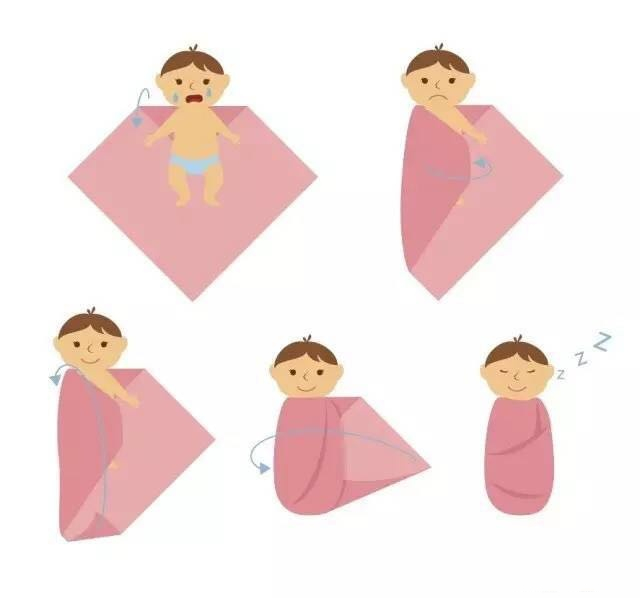
It should be reminded that while wrapping your arms tightly, be sure to leave enough space for your legs. The popular "candle pack" will tightly wrap the baby's hip joint, which is very easy to dislocate or deform the hip joint. This wrapping method is absolutely not recommended.

Side/Stomach Position:
Comfortable position for baby
If babies lie on their backs while crying, the Moro reflex can be triggered, making them more restless and crying because they feel like they are in free fall. Side and tummy positions immediately terminate the Moro reflex and activate the calming reflex to soothe a screaming baby.The most important thing in the rules of soothing babies is posture.
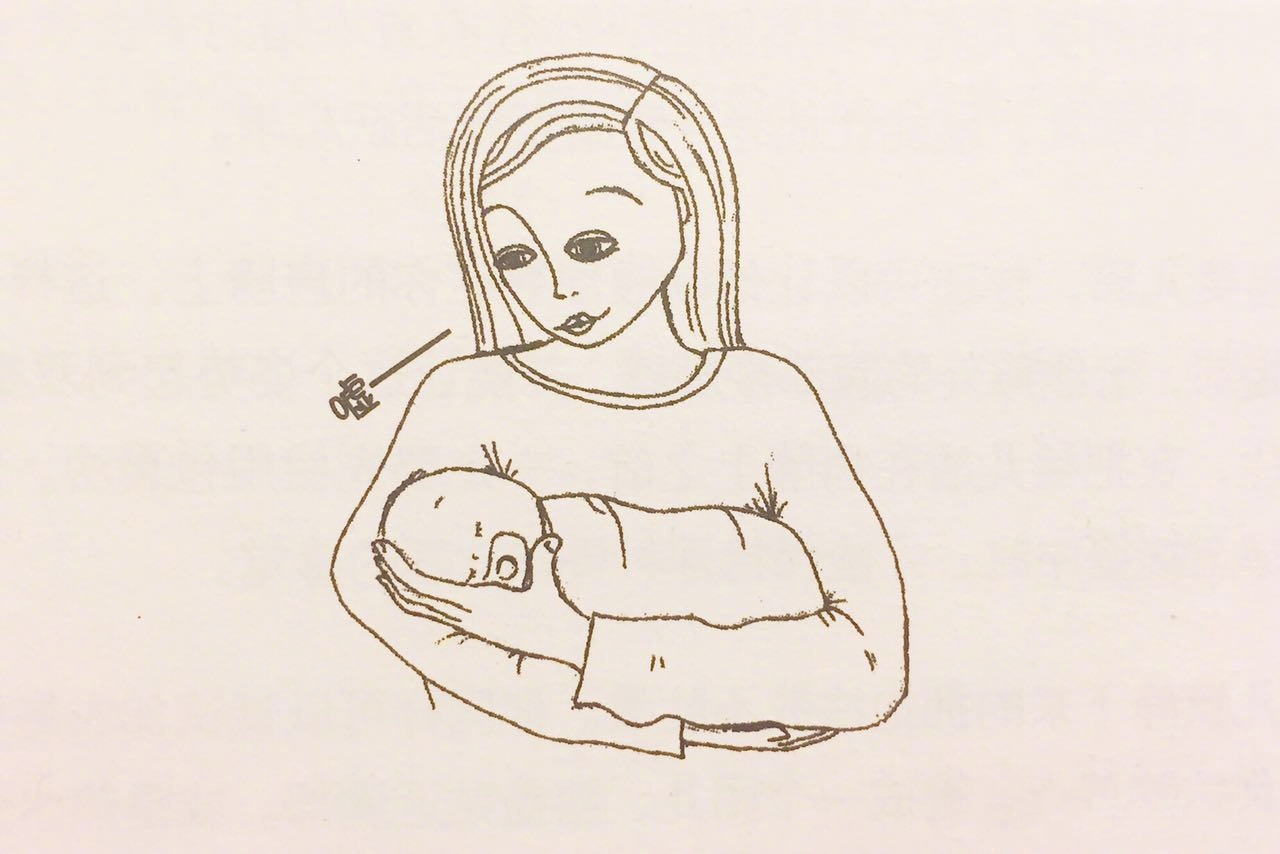
Lying on their side or on their stomach more closely resembles a baby's position in the womb, and they quickly receive a message: "Everything is safe." Several positions Dr. Karp recommends include:
Reverse breastfeeding:
Lay the baby face out on your left arm with your right arm supporting his head, with the baby's belly facing your arm and his back lightly pressing against your chest.
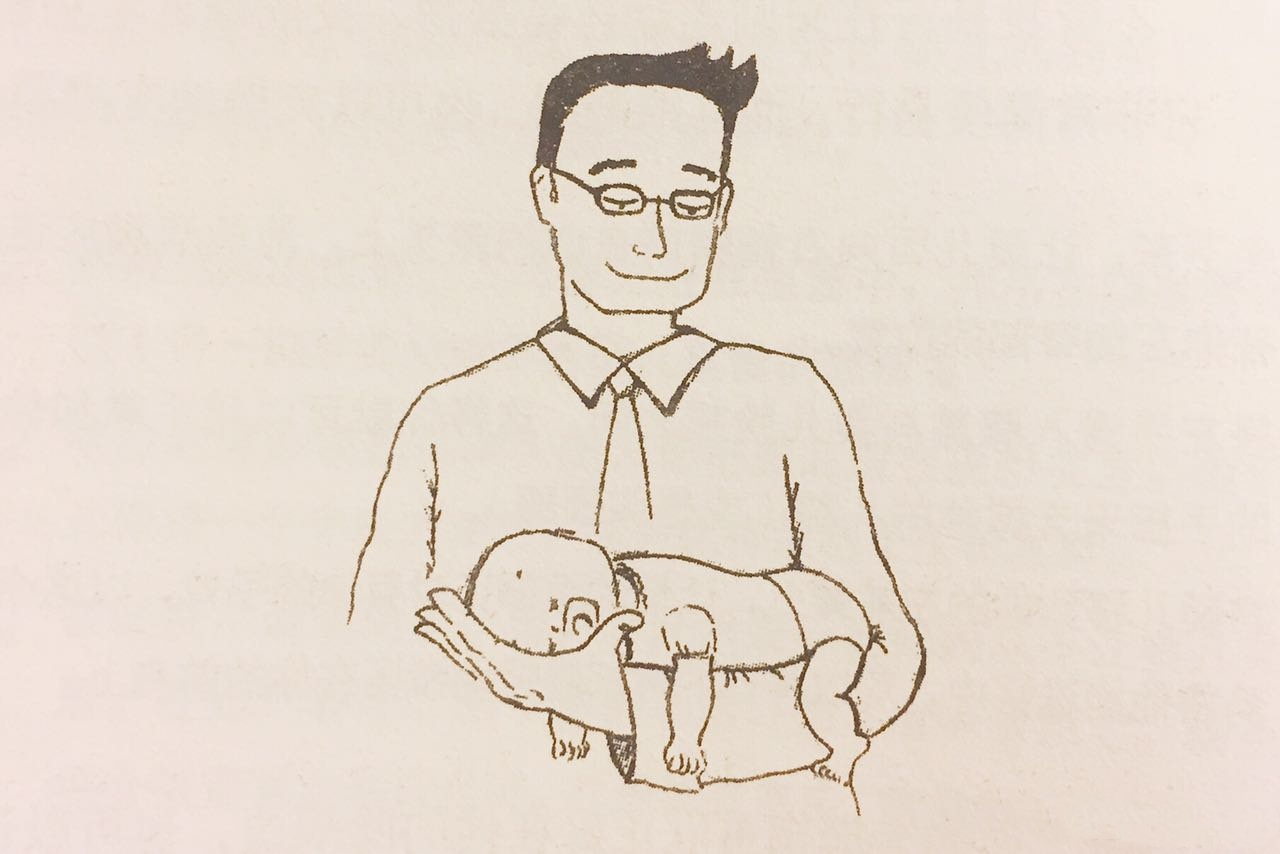
Fathers tend to prefer this position. The baby's belly is resting on your left forearm, the head is in the palm of your hand, and the limbs hang naturally by the sides of your arms.
Hold the high hug:
Holding a crying baby upright above your shoulders will keep them active most of the time. You can also rest the baby's belly against your shoulders after the lift, which will work just as well.
Of course, there are many similar positions, including the plane hug that we are relatively familiar with, etc. In short, you can choose a side or lying position that your baby likes and uses most, just fine.
However, it should be noted that this position is only recommended for soothing a crying baby. If the baby has calmed down and you want to sleep, then lying on the back is the safest choice for small babies.
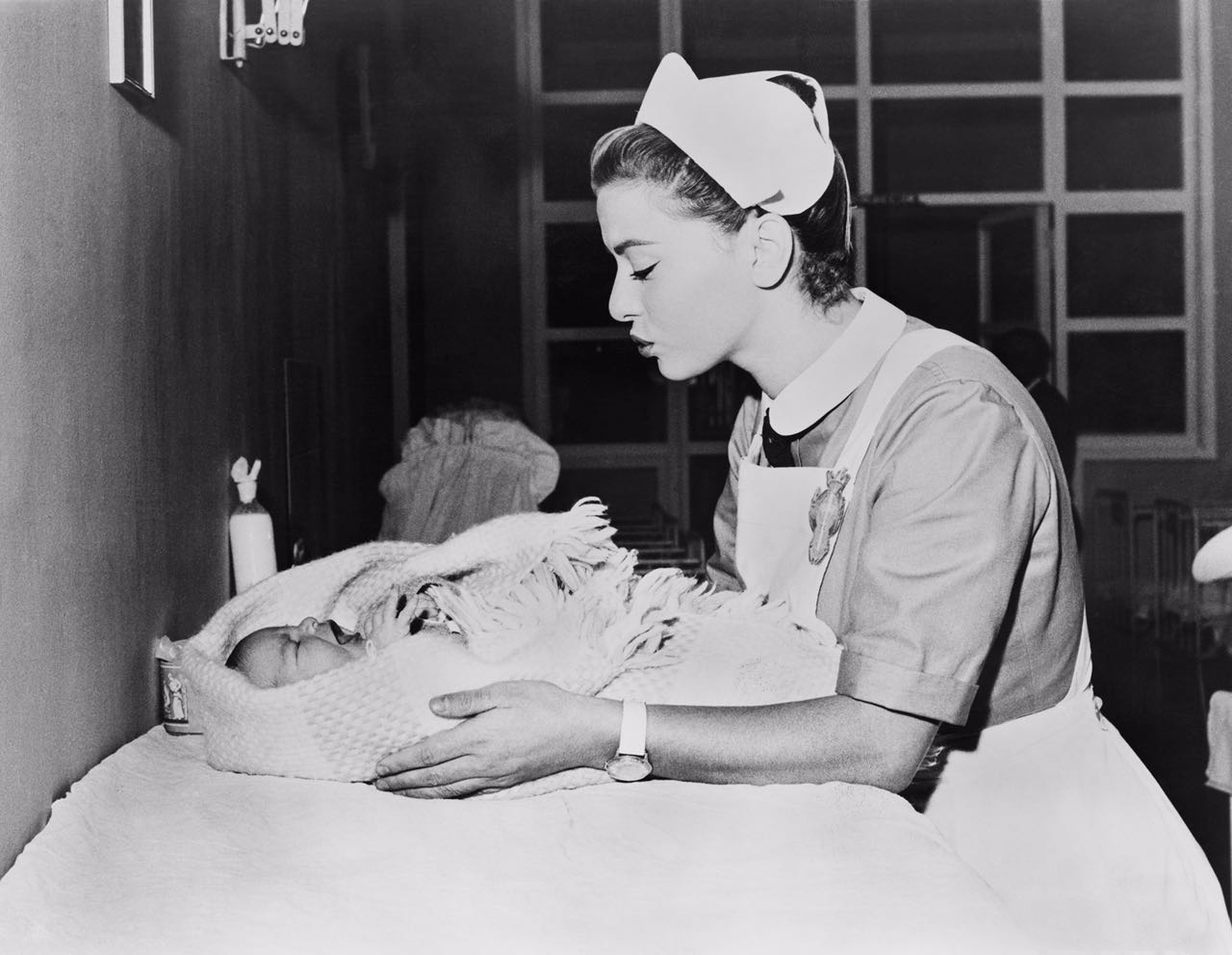
Hold the high hug:
Holding a crying baby upright above your shoulders will keep them active most of the time. You can also rest the baby's belly against your shoulders after the lift, which will work just as well.
Of course, there are many similar positions, including the plane hug that we are relatively familiar with, etc. In short, you can choose a side or lying position that your baby likes and uses most, just fine.
However, it should be noted that this position is only recommended for soothing a crying baby. If the baby has calmed down and you want to sleep, then lying on the back is the safest choice for small babies.
Swinging: Swinging back and forth makes the baby happy
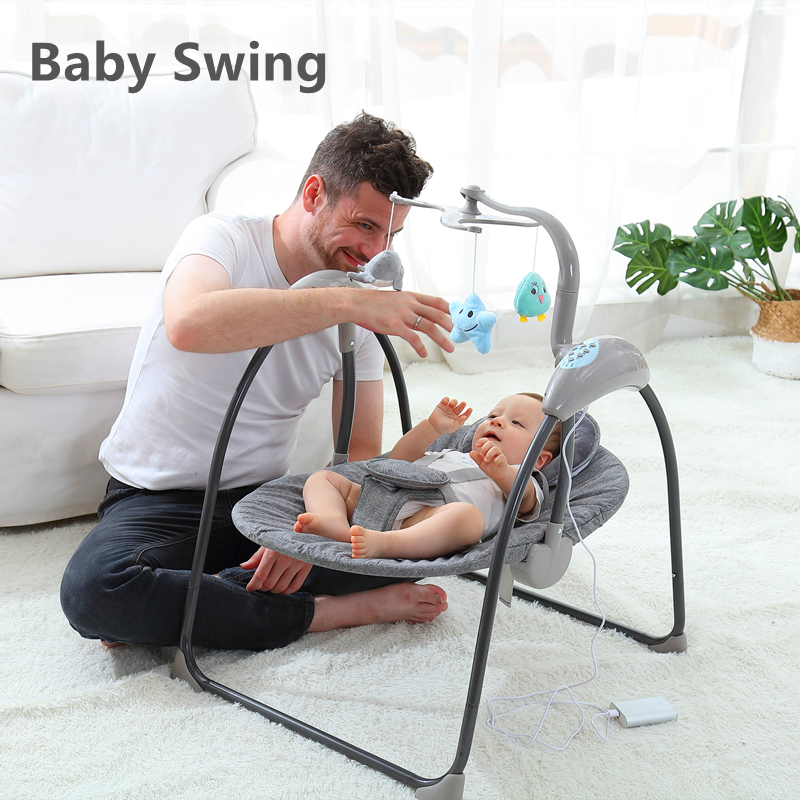
When the baby is in the womb, it floats in the amniotic fluid all day long. After being born, it suddenly comes to a still bed, and it will naturally feel a little uncomfortable, and the rhythmic and repeated rocking becomes a weapon to soothe them.
There are many tools for rocking a baby. Examples include baby carriers and carriers, rockers and swings, hammocks, car seats, and more. The easiest way to do it, of course, is to use your hands.
To soothe a crying baby, the most effective way to vibrate is a small tremor, shaking the head more than the body, and the frequency of the rocking depends on how much the baby is crying. You need to support the baby's head and neck and rock it back and forth. The movements should be fast and small, as if shaking.
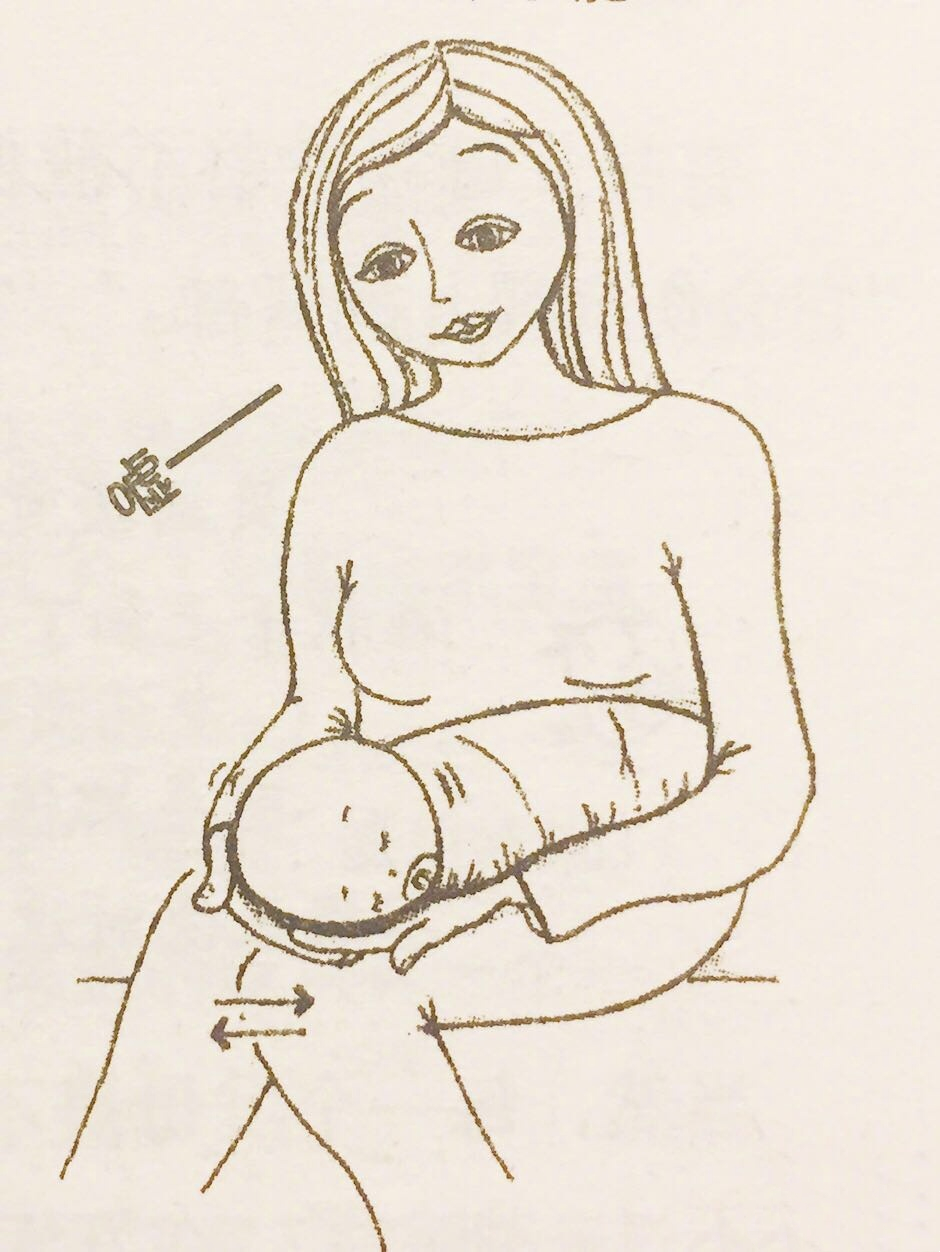
Anyone worried that such shaking could lead to Shaken Baby Syndrome? Dr. Karp said with certainty that was not going to happen.
Shaken baby syndrome is a very horrific form of child abuse, it causes the baby's head to shake violently back and forth, with extreme movements, the baby's head twists back and forth, making a crackling sound, such a strong rocking can cause the mesh inside the skull Membranous blood vessels burst, eventually leading to cerebral hemorrhage and damage.
The "jitter" we recommend here is a shaking with a small vibration amplitude. The baby's head will only move back and forth within 30-60 cm. When shaking, the baby's head and body are always kept in a straight line. Unlike shaking syndrome, where the baby's head and body are intentionally twisted in opposite directions. Therefore, as long as you are not intentionally abusing and venting, shaking and shaking in a small area will not cause damage to the baby's body.
Sucking: icing on a cake
Once the baby has calmed down from wrapping, lying on his side, booing and rocking, sucking will allow the baby to enter into a deeper state of tranquility. Sucking includes hand feeding, breastfeeding, bottle, pacifier, etc.
If you're going to use a pacifier, when trying to get your child to accept it, remember that when you put the pacifier in the baby's mouth and he's holding it, you gently pull the pacifier out, as if to take it away, so that the baby can Will suck harder on the pacifier and learn to use it.
Breastfed babies are advised not to use a pacifier for the first 2-3 weeks after birth to avoid nipple confusion. If you are concerned about the impact on your teeth, you can choose an orthodontic pacifier. Do not attach a cord to the pacifier to avoid the risk of entanglement and suffocation.
If you want to use a pacifier for sleep, you need to limit the time and occasion of use from the beginning. When the child is already sucking the pacifier and begins to close his eyes and fall asleep, it is recommended to take out the pacifier as soon as possible, and try not to use it or use it as little as possible when picking up the pacifier and waking up at night, so as to avoid the formation of too strong dependence and cause frequent awakening later.
If you want to see the operation method more intuitively, you can go to the video website to search for the keyword: "5S soothing method", and you will see Dr. Karp's practical operation demonstration.
The 5S method does have a peculiar magic for babies under 3 months old. When the baby grows up and matures, you can gradually quit these comforting methods. The rocking can be stopped at 3-4 months, and the same is true of sucking. Most of the time when the swaddling is released is also at this time, but in fact, Xiaonuan has also encountered a baby who needs to use it for 6 months or more.